Water efficiency is becoming an important consideration for homeowners who want to manage household expenses while using resources more responsibly. Bathrooms are among the most frequently used areas of a home, with showers, faucets, toilets, and other fixtures consuming water every day. Improving bathroom plumbing Houston can therefore make a noticeable difference in overall household water consumption.
For homeowners in Houston, improving water efficiency does not necessarily require a complete bathroom renovation. A combination of better fixtures, timely repairs, thoughtful plumbing improvements, and sensible daily habits can help reduce unnecessary water use while maintaining comfort and convenience.
Repair Leaking Faucets Promptly
A trickling faucet may seem to be a minor inconvenience; however, the accumulation of water waste over time can be substantial due to the recurrent leaking. Worn washers, damaged cartridges, loose connections, and aging components can all contribute to leaks.
Read More: 5 Tips For Farming Enthusiasts To Grow Vegetables At Home
Homeowners should avoid ignoring small leaks simply because they do not interfere with normal bathroom use. Repairing them promptly helps prevent water waste and may also reduce the possibility of moisture-related damage around sinks, countertops, and cabinets.
Regular inspection of bathroom faucets can help identify developing problems before they become more serious.
Install Water Efficient Toilets
Toilets are responsible for a substantial portion of bathroom water consumption, particularly in homes with older plumbing fixtures. Replacing an outdated toilet with a modern water-efficient model can reduce the amount of water required for each flush.
Dual flush toilets provide another option. These fixtures allow users to select different flushing volumes depending on the type of waste being removed. This gives households greater control over everyday water consumption.
When considering upgrades to bathroom plumbing, Houston homeowners can evaluate whether older toilets are using more water than necessary and determine if replacement could provide better long-term efficiency.
Upgrade Showerheads
Long showers can use substantial amounts of water, especially when the showerhead has a high flow rate. Modern water-saving showerheads are designed to limit water flow while still providing comfortable pressure.
A well-selected fixture can reduce water consumption without making showers feel noticeably weaker. Some designs improve spray distribution or use aeration to maintain a satisfying experience with less water.
Before purchasing a replacement, homeowners should consider water flow, compatibility with the existing plumbing system, and personal preferences regarding spray patterns.
Choose Efficient Bathroom Faucets
Bathroom sink faucets are frequently used for handwashing, shaving, brushing teeth, and other everyday activities. Installing efficient faucets or adding aerators can reduce the amount of water flowing through the fixture.
Aerators mix air into the water stream, helping maintain useful pressure while reducing actual water volume. They can be a relatively simple plumbing improvement for bathrooms where the existing faucet remains in good condition.
Touchless and sensor-operated faucets may also help prevent water from running unnecessarily, particularly in busy households.
Check Toilets For Hidden Leaks
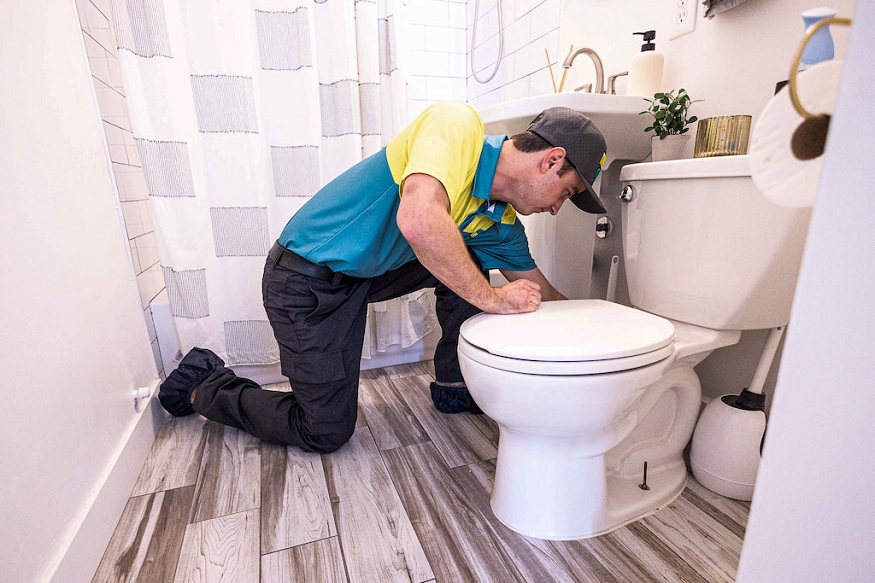
Not every plumbing leak produces visible water on the floor. Toilets can develop internal leaks that allow water to move continuously from the tank into the bowl.
Because these leaks may be quiet, homeowners can remain unaware of them for extended periods. A toilet that frequently refills without being flushed may indicate an internal problem involving the flapper, fill valve, or another tank component.
Periodic inspections can help identify these problems. Correcting an internal toilet leak can improve efficiency without requiring extensive changes to the bathroom.
Pay Attention To Water Pressure
Excessive water pressure can increase water consumption and place additional strain on plumbing fixtures and connections. High pressure may make faucets and showers appear more powerful, but it can also contribute to unnecessary water use.
A plumbing professional can evaluate household water pressure and determine whether adjustments are appropriate. Maintaining suitable pressure supports efficient fixture operation while helping protect plumbing components from excessive stress.
For Houston homeowners, pressure assessment can be particularly useful when multiple fixtures appear to release more water than necessary.
Consider Plumbing Efficiency During Remodeling
Bathroom remodeling provides an excellent opportunity to think beyond appearance. While homeowners naturally focus on tiles, cabinets, lighting, and finishes, the plumbing behind these features deserves equal consideration.
During renovation, older supply lines, valves, faucets, toilets, and shower fixtures can be evaluated for efficiency. Planning plumbing improvements before walls and surfaces are completed can make upgrades easier to incorporate.
It is also useful to consider fixture placement. Thoughtful layouts may simplify plumbing runs and provide easier access to important components for future maintenance.
Monitor Changes In Water Use
Unexpected changes in household water consumption can sometimes indicate a plumbing problem. If water use increases without an obvious change in household habits, homeowners may want to inspect bathroom fixtures for leaks or inefficient operation.
Checking faucets, toilets, shower connections, and exposed plumbing can help identify possible sources of waste. Professional inspection may be appropriate when the cause cannot be located easily.
Make Water Efficiency Part Of Routine Maintenance
Efficient bathroom plumbing depends on more than purchasing modern fixtures. Regular maintenance plays an equally important role. Small leaks, worn components, poor water pressure, and inefficient toilets can gradually increase water consumption if they remain unaddressed.
Read More: How to Cool a Room Without AC
Houston homeowners can improve bathroom water efficiency by combining appropriate fixtures with consistent plumbing maintenance. Simple changes such as repairing leaks, installing efficient showerheads, upgrading toilets, and checking water pressure can collectively produce meaningful improvements. By treating water efficiency as an ongoing part of bathroom care, households can reduce unnecessary consumption while maintaining a comfortable and practical space.