
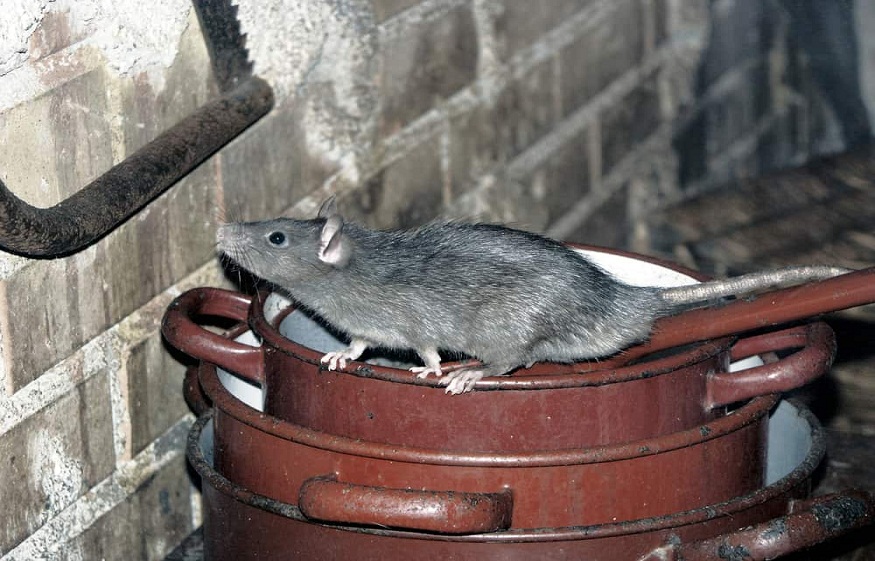
It is 2 a.m. in July. Your AC is humming, monsoon winds are whistling outside in Phoenix, and something else is scurrying around your attic. If that relates to you, you are not alone. Phoenix area homeowners have all too often discovered unwanted visitors from above all summer long, and more often than not, those visitors are in for a long haul; they are moving inside your ductwork. The longer they go unaddressed, the more damage they cause, which is why many Phoenix residents trust greenmangopest.com to remove them before the problem spreads through the entire ventilation system.
Phoenix’s Climate Creates a Year-Round Rodent Problem
The triple-digit heat of Phoenix not only drives people indoors, but it also drives rodents there, too. Roof rats and pack rats move into attics more often between June and September, when outside temperatures are reaching 110°F on a daily basis, or during the cooler winter season months when nighttime temperatures drop drastically. This is one of those regional problems, not just bad luck on your block: Maricopa is in the top five counties for rodent activity nationwide.
Read More : 5 Tips For Farming Enthusiasts To Grow Vegetables At Home
Why Attic Ductwork Is the #1 Target for Nesting
Not only is ductwork inconvenient, but it’s basically designed for rodents. That is why it is always their first stop:
- Insulation warmth – Wrapped ducts remain warm forever, delightful in cozying year-round
- Zero foot traffic – Rodents can run wild in the attics of Phoenix homes, as these rarely get visited
- Easy access – Vents, roof vents, and soffits on stucco homes are direct, unprotected access routes.
- Central location – Rodent can get a connected highway system in a duct running throughout the home
Signs Your Phoenix Home’s Ductwork Has a Rodent Problem
Catch it early. Watch for these red flags:
- Strange or unpleasant smells seeping through the AC vents
- Scratching, scurrying near registers, especially at night
- Mysterious jump in your energy bills during the summer
- Inadequate or inconsistent air coming from some vents
- Droppings from mice close to floor registers or return air grilles
- Gnawing marks found in and around duct connections in the attic
The Real Damage Rodents Do to Phoenix HVAC Systems
| Type of Damage | Why It’s Worse in Phoenix |
| Chewed duct insulation | Conditioned air escapes, costly at 110°F |
| Torn duct lining | System works harder, lifespan drops fast |
| Urine and droppings inside the ducts | Bacteria circulate through every room via forced air |
| Blocked airflow from nesting debris | AC efficiency drops during peak summer demand |
These repairs can set Phoenix homeowners back anywhere from $500 to more than $3,000, depending on the extent of the infestation.
How Roof Rats Get Into Your Attic in the First Place
Roof rats are the predominant species throughout the Phoenix metro and areas surrounding Scottsdale, and they climb very well. Here are a handful of their favorite entry points:
- Tile roof gaps – Common with Valley homes, and are frequently not sealed
- Soffit vents – Mesh wears out, loosening and forming entryways over time.
- Citrus trees – Overhanging branches are a direct path to your roofline
- Utility line entry points – Where cables or pipes penetrate the exterior wall
What to Do If You Suspect Rodents in Your Ductwork
Do not handle this one alone. First thing, stop using your HVAC system. Air pushed through dirty ducts distributes germs throughout every other room. Do not seal up entry points, either; that will nest rodents inside, where they cause damage.
- Turn off the airflow of your HVAC system
- Resist disturbing the attic until a knowledgeable person assesses it
- Find a licensed pest control specialist who understands desert rodent habits
- Get a duct inspection done along with pest treatment
Local specialists, such as Saela Pest Control, have trained their technicians in the unique desert conditions that characterize Phoenix infestations and Valley duct systems.
Read More : How to Cool a Room Without AC
Do Not Wait for Monsoon Season to Find Out the Hard Way
Phoenix heat doesn’t only make summers unbearable, it turns your attic into rodents‘ top choice for prime real estate. Their impacts spread some moving, inside your ductwork. Chewed wiring, tainted air, and spiraling energy payments will never repair themselves. If the monsoon season is a few weeks away and you have not looked up at your attic, that is your signal to take action before the scratching begins.